The transition to college life is often filled with excitement and new experiences. However, it can also present unique challenges. One common hurdle is achieving quality rest in a new environment. Many students discover their dorm beds are not ideal for comfort. Consequently, sleep quality often suffers significantly.
The video above offers quick, practical solutions for enhancing your sleep. It introduces specific products to transform a basic dorm setup. This guide expands on those college sleep essentials. Better understanding of these items can lead to truly restful nights. Ultimately, good sleep is vital for academic success and overall well-being.
Transforming Your Dorm Bed with Mattress Toppers
A standard dorm mattress is typically quite firm. It often lacks the plush comfort desired for restorative sleep. This can result in significant body soreness. Therefore, a mattress topper is frequently recommended.
The Advantage of Memory Foam
Memory foam is a popular material choice for toppers. It is known for its ability to contour to the body’s shape. This provides excellent pressure relief. A topper of at least two inches thick is generally suggested. Such thickness allows for sufficient cushioning. Your body weight is more evenly distributed.
Memory foam pillows also offer similar benefits. They cradle the head and neck. This supports proper spinal alignment. Consequently, neck pain can be reduced. Both types of memory foam products greatly enhance comfort.
Incorporating Cooling Features
Memory foam can sometimes retain body heat. This might lead to uncomfortable night sweats. To counteract this, cooling features are often sought. A cooling gel layer within the foam is one premium option. This gel helps to dissipate heat from the body.
Alternatively, a breathable cover is a budget-friendly solution. These covers are designed with materials that allow air circulation. This helps to regulate temperature effectively. Both methods aim to keep the sleep surface cool. A cooler sleep environment is crucial for continuous rest.
Creating an Optimal Sleep Environment
Comfortable bedding is merely one component of good sleep. The surrounding environment also plays a critical role. Factors such as temperature, noise, and light must be managed. Adjustments to these elements can significantly improve sleep quality. Consequently, a more conducive atmosphere for rest is established.
The Dual Benefits of a Tower Fan
Many dorm rooms lack individual climate control. High temperatures can disrupt sleep easily. A tower fan provides a consistent breeze. This helps regulate the room’s temperature. It also creates air circulation for freshness.
Furthermore, a fan generates white noise. This constant, low-level hum can mask distracting sounds. Campus noise, conversations, or movement outside the room are often blocked. White noise aids in creating a more tranquil sleeping space. Consistent background sound allows for deeper sleep cycles.
Achieving Silence with Earplugs
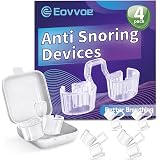
While a fan helps with ambient noise, very loud sounds may still penetrate. Dorm life often involves unpredictable disturbances. Complete silence is sometimes necessary for sensitive sleepers. Earplugs provide an effective barrier against such disruptions. They are designed to fit snugly within the ear canal.
Various types of earplugs are available. Foam earplugs are soft and moldable. Silicone earplugs offer a comfortable, reusable option. Achieving true quiet allows the brain to fully disengage. Deep, uninterrupted sleep is then more easily attained.
Embracing Darkness with an Eye Mask
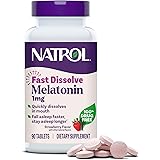
Light exposure significantly impacts sleep patterns. Even small amounts of light can disrupt melatonin production. Melatonin is the hormone responsible for regulating sleep cycles. Dorm rooms often have light leaks from windows or electronics. Furthermore, roommates’ study lamps can be a problem.
An eye mask provides complete darkness. It blocks out all external light. This signals to the brain that it is time to sleep. Consequently, melatonin production is optimized. A dark environment promotes a deeper, more restorative sleep. It is a simple yet powerful tool for improving college sleep essentials.
Beyond the Basics: Holistic College Sleep Strategies
While these essentials address comfort and environmental factors, other habits contribute to quality sleep. Establishing a consistent sleep schedule is paramount. Going to bed and waking up at similar times, even on weekends, helps regulate your body’s internal clock. This routine reinforces the sleep-wake cycle effectively.
Limiting screen time before bed is also beneficial. The blue light emitted by phones and laptops can suppress melatonin. Therefore, avoiding screens for at least an hour before sleep is advised. Creating a relaxing pre-sleep routine can also signal to your body it is time to wind down. This might include reading or light stretching. These strategies, combined with your college sleep essentials, foster a truly restorative sleep experience.
From Dorm to Dreamland: Your College Sleep Essentials Q&A
Why is it important to improve sleep in college?
Good sleep is crucial for academic success and overall well-being during college. Dorm life often presents challenges that can make quality rest difficult.
What is a mattress topper and why is it recommended for dorm beds?
A mattress topper is an additional layer placed on top of your mattress to enhance comfort. Dorm beds are typically firm and uncomfortable, so a topper can transform them into a softer, more supportive sleep surface.
What type of mattress topper material is often suggested for dorm beds?
Memory foam is frequently recommended because it contours to your body, providing excellent pressure relief and comfort. If heat is a concern, look for toppers with cooling gel or breathable covers.
How can I manage noise and light distractions in my dorm room to sleep better?
A tower fan can create white noise to mask distractions, and earplugs can block very loud sounds. For light, an eye mask provides complete darkness, which helps your brain produce sleep-regulating hormones.